What Are the Keys to Bridging Hope? Bridging the
Gap Between Despair and Happiness Is Difficult
Do you feel like there is just no hope left to be had? If so you are not alone.
The truth is that as a society we are finding it more and more difficult to keep a smile on our face. For many of us bridging the gap between despair and happiness has become increasingly more difficult. Why? The truth is that the world around us has gotten a lot tougher.
It is no longer easy to do the right thing and trust that the world is going to take care of you. Unfortunately, life is not as easy as it once was and there are stressful situations that you have to deal with day in and day out. That does not mean that you have to simply give up on the hope that you once held. Instead, you can regain that optimism that you may have lost.
One of the best ways to go about bridging your way to hope is to focus on what is great in your life. This does not have to be big things, but it can be very small things. In fact, many people have found that focusing on those small things really helps to put your life into perspective.
For some the promise of a full tank of gas is enough to start their day off right. For you to find hope for yourself look at what little things in life give you the ultimate security and happiness. Is it the laugh of your child? The embrace of your lover? Whatever it is, celebrate it. In those small moments it is easy to see that you are very lucky.
Another key to bridging hope is to focus on others. The world is full of people who need help and encouragement. If you can take the focus off of yourself for a bit and give it to someone else who is in need it can remind you have how much you have in your life. This is an effective method of bridging the gap to a more hopeful and happy outlook.
Often working with underprivileged children can really do this for you. There is something about the innocence and optimism of a child that will help you to see your world in a different way.
If you are struggling in bridging your depression to a place of happiness you need to remember that you do not need to do it alone. There are many people and resources available to help you find your way to hope and contentment again. This is the final key to bridging hope.
Too often we are afraid to ask for help, but the truth is that people like to help. If you find yourself struggling ask for support and chances are that you will be surprised at how many people will jump to your aid.
Often it is in our lowest moments that hope is found, we just have to keep our eyes open for it!
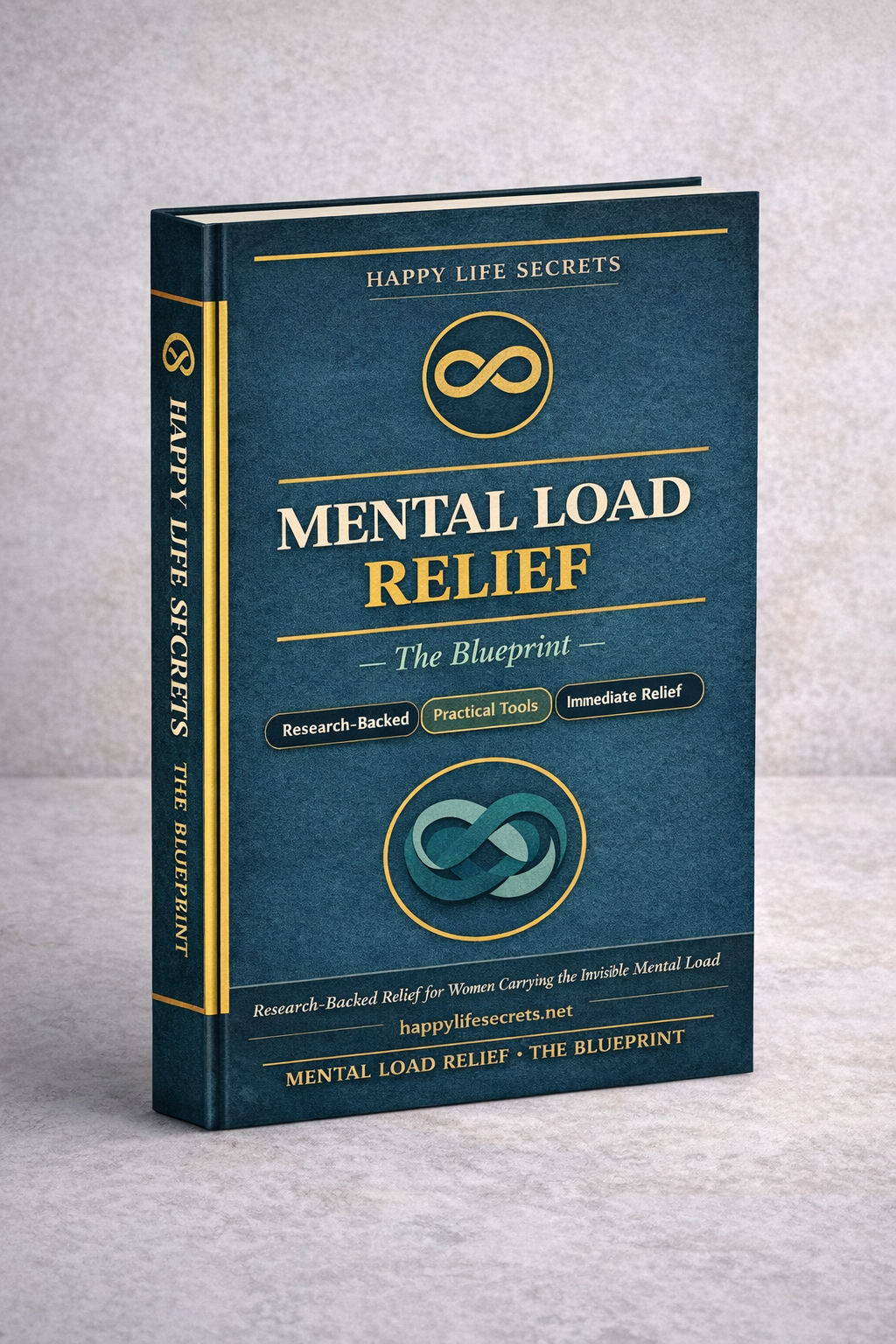
You're Not Falling Behind. You're carrying more than anyone should have to hold alone.
The Mental Load Relief Blueprint gives you a clear map of the invisible work you carry, and simple, practical ways to start setting it down, without waiting for anyone else to notice how much you're managing.
You're Not Overwhelmed Because You Can't Handle It.
You're overwhelmed because the load was never designed to be carried by one person. Here's what that invisible work looks like from the inside.
You're the Only One Who Remembers Everything
Appointments, school events, groceries, everyone's schedules. That mental tab running all day is real work, even though no one else can see it.
Making 100 Decisions While Everyone Else Just Lives
What's for dinner? Who needs what tomorrow? Did that get handled? Every small decision lands on you, and decision fatigue quietly drains your clarity and energy.
Holding Everyone's Emotional Load Too
Their worries, moods, and needs have somewhere to land, and that place is you. It's labor nobody names, and it adds up.
Your Brain Won't Turn Off at Night
Even when you're exhausted, tomorrow's logistics replay the moment your head hits the pillow, so you wake up tired before the day begins.
You're Everyone's Default for Everything
Every question, every problem, every decision comes to you first. You coordinate, anticipate, and solve. You're the invisible structure holding it all together.
Generic "Self-Care" Wasn't Built for Your Reality
"Take a bath." "Just say no." None of it accounts for managing a whole household's mental life. The advice failed you, not the other way around.
The problem was never your capacity. The problem was that nobody gave you a map of what you were actually carrying, or a way to set it down.
A New Framework, Not More Advice
Not another list of productivity tips that pretend your invisible work doesn't exist. Seven practical strategies built around how mental and emotional load actually work, designed for real life.
Identify Your Mental Load Types
Find out which of the 6 types of mental load you carry most heavily, so you can focus your energy where it will make the biggest difference.
The Brain Dump Method That Actually Works
Get the running list out of your head and onto paper, so your mind stops holding everything at once.
Sharing the Mental Load, Not Just Tasks
How to hand off the thinking, not just the doing, so you don't become the manager of your own delegation.
Decision Fatigue Relief
Cut out unnecessary daily decisions and put repeat choices on autopilot, so you have more clarity left for what matters.
Boundary Scripts for Real Situations
Word-for-word language for setting limits without guilt or conflict, starting with one boundary you can hold.
The Bedtime Worry Spiral Fix
The Worry Window technique gives tomorrow's to-do list a set time and place, so it stops following you to bed.
The Permission You've Been Waiting For
Relief doesn't require anyone else to notice what you've been carrying first. This guide starts there, because that's where change begins.
Simple Enough to Start Today
Why This Works When Generic Advice Didn't
The strategies that failed you before were designed for task management. This is designed for the thinking work behind the tasks.
Built for What You Actually Carry
Made for the overload that comes from invisible work, not generic stress tips that mention your situation once and then ignore it.
Fits Real Life, Not an Ideal One
Every strategy takes 5–10 minutes. Relief that only works when you have three free hours isn't relief.
Grounded in Research
Built on what researchers have learned about invisible labor, decision fatigue, and emotional load, not trends or one-size-fits-all advice.
About Happy Life Secrets
I'm Herb, founder of Happy Life Secrets. For over a decade, I've studied the psychology of mental overwhelm, decision fatigue, and cognitive load, and what creates real relief for women managing invisible work nobody else names.
The Mental Load Relief Blueprint pulls that work into one short, practical guide: a clear map of what you're carrying, and simple ways to start setting it down, without waiting for anyone else to step up first.
Download Your Free Blueprint Today
Stop carrying everyone's invisible work alone. Get the guide for easing decision fatigue, sharing the mental load, and finally feeling lighter, starting today.
Yes, Send Me the Free Blueprint → No credit card · Instant PDF · Unsubscribe anytime 3 minutes that change how you see every relationship


-----------

-----------